What Is Odoo Customization? The Ultimate Guide to Grow Your Business
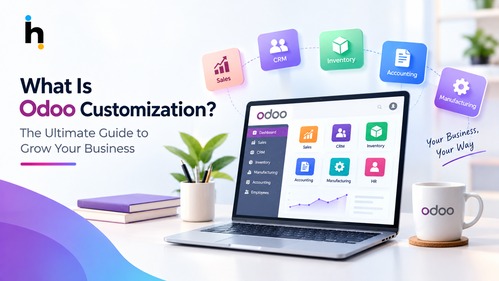
As a business grows, its processes become more complex. What works for a small team may not work as the company adds employees, customers, products, locations or sales channels. Managing these changes with disconnected software can lead to duplicated work, inconsistent data and unnecessary delays.
This is where Odoo Customisation becomes useful. Odoo is a flexible ERP platform that brings different business functions into one system, including sales, CRM, accounting, inventory, manufacturing and more. However, every business has its own way of working. Customisation allows Odoo to be adapted around those specific requirements instead of forcing employees to change every process around the software.
For businesses in Bangalore, India, a carefully planned Odoo solution can help create more connected workflows while leaving room for future growth. The key is not to customise everything, but to customise the areas where it creates a clear business benefit.
What Is Odoo Customization?
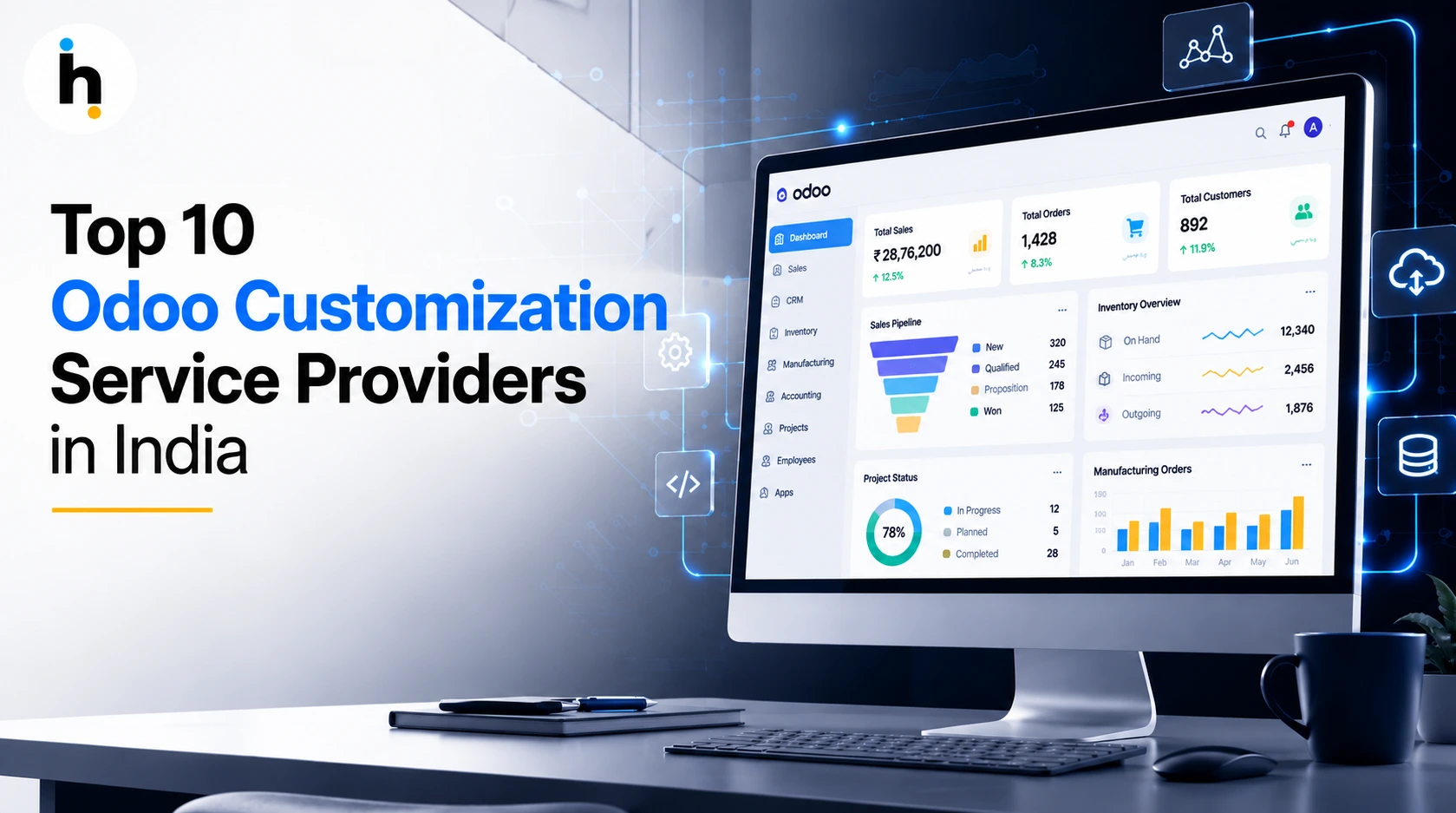
Odoo Customization refers to modifying or extending the standard Odoo platform to meet specific business requirements. Depending on the requirement, this can include adding custom fields, changing screens, creating workflows, developing modules, modifying reports or connecting Odoo with other business applications.
Some requirements can be handled through standard Odoo configuration, while others may require development work. For example, a company may need a special approval process before a purchase order can be confirmed. Another business may require a custom sales report that combines information from several departments.
This is where Odoo ERP Customization becomes valuable. Instead of creating a separate system for every unique requirement, businesses can extend their existing ERP environment.
The first step should always be understanding the business problem. If a standard Odoo feature can solve it, custom development may not be necessary. Customisation should be used when it genuinely improves the way the organisation operates.
Why Do Businesses Need Odoo ERP Customization?
No two businesses operate in exactly the same way. Even companies in the same industry can have different approval structures, pricing rules, customer journeys and reporting requirements.
With Odoo ERP Customization, companies can adapt the platform to their operational needs. This can help reduce repetitive manual work and give employees quicker access to the information they need.
Common areas for customisation include:
- Custom business workflows
- Automated approvals
- Industry-specific modules
- Custom dashboards and reports
- Special pricing rules
- Inventory processes
- Sales and CRM workflows
- Employee and access controls
- Third-party integrations
- Automated notifications
For example, a business using Odoo CRM may want leads to be automatically assigned to sales representatives based on location, product interest or customer category. Similarly, a distributor may need additional inventory validation before an order is dispatched. These small changes can make an ERP much more practical for day-to-day operations.
Common Odoo Customization Services
A professional Odoo Customization Company can work across different parts of the ERP depending on business requirements.
Custom Modules and Workflows
When standard Odoo functionality does not cover a particular process, a custom module can be developed. This may include specialised approval systems, industry-specific calculations, custom order flows or additional operational tools. A well-developed module should solve a clearly defined business problem without unnecessarily changing the core system.
Custom Reports and Dashboards
Standard reports may not always provide the exact information management teams need. Custom dashboards can bring relevant data together in a format that makes daily monitoring easier. For example, a business could create a dashboard showing sales performance, outstanding payments, inventory levels and open customer opportunities in one place.
Automation
Automation is another important area of Odoo ERP customization. Repetitive actions such as notifications, record updates, approvals and follow-ups can be automated according to predefined conditions. The objective is simple: reduce manual effort where a rule-based process can handle the work reliably.
Odoo Customization and Odoo Implementation
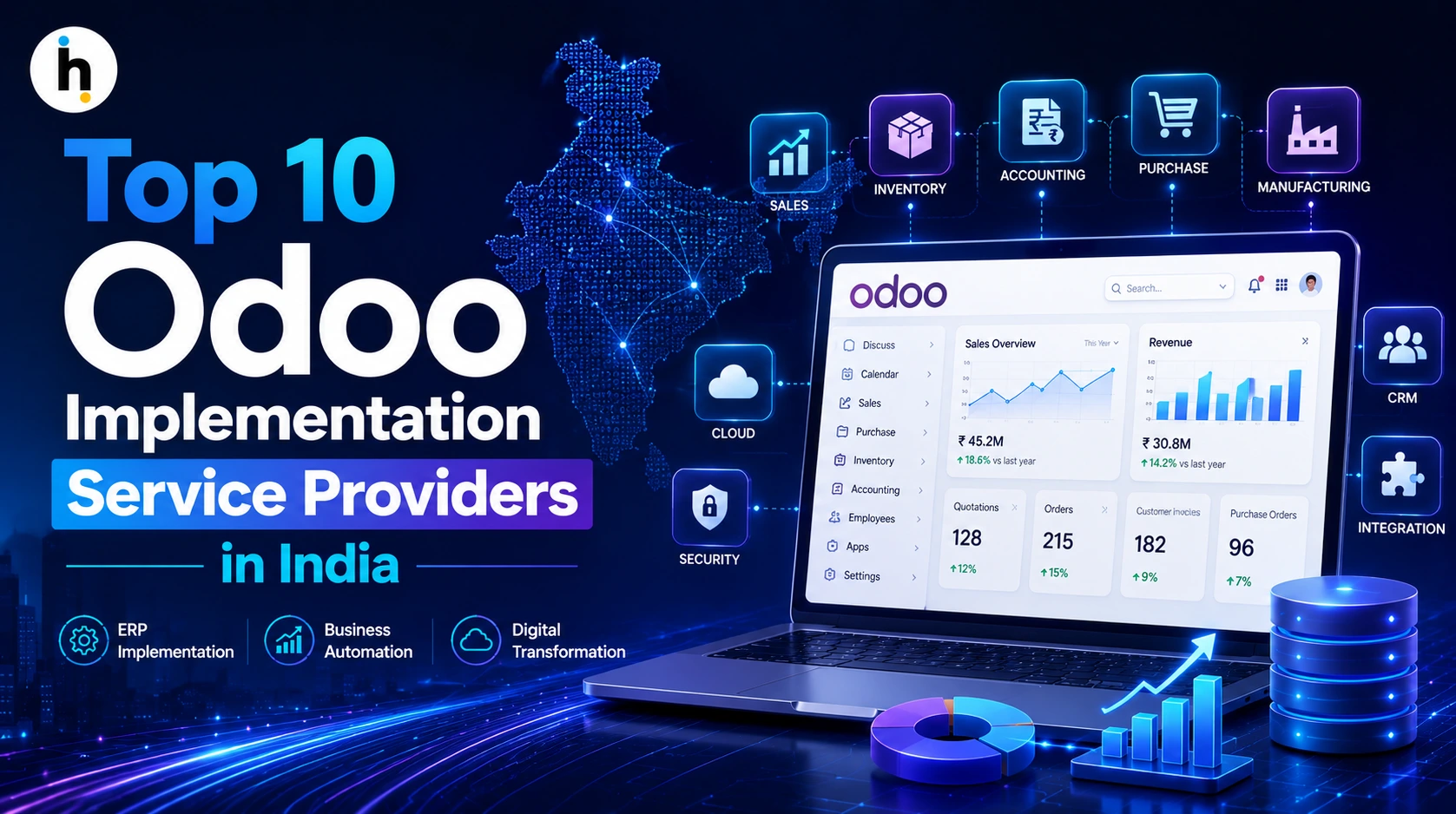
Odoo Implementation and customisation are related but represent different parts of an ERP project. Implementation covers the broader process of introducing Odoo into a business. This can include requirement analysis, system configuration, data migration, user setup, testing, training and deployment. Customisation focuses on adapting or extending the platform when standard functionality is not sufficient.
A sensible implementation should therefore start with process analysis. Businesses should first identify what they actually need, then determine whether the requirement can be handled through standard Odoo features. Only after that should custom development be considered. This approach can prevent unnecessary development and keep the ERP easier to maintain in the future.
Odoo Integration for Connected Business Operations
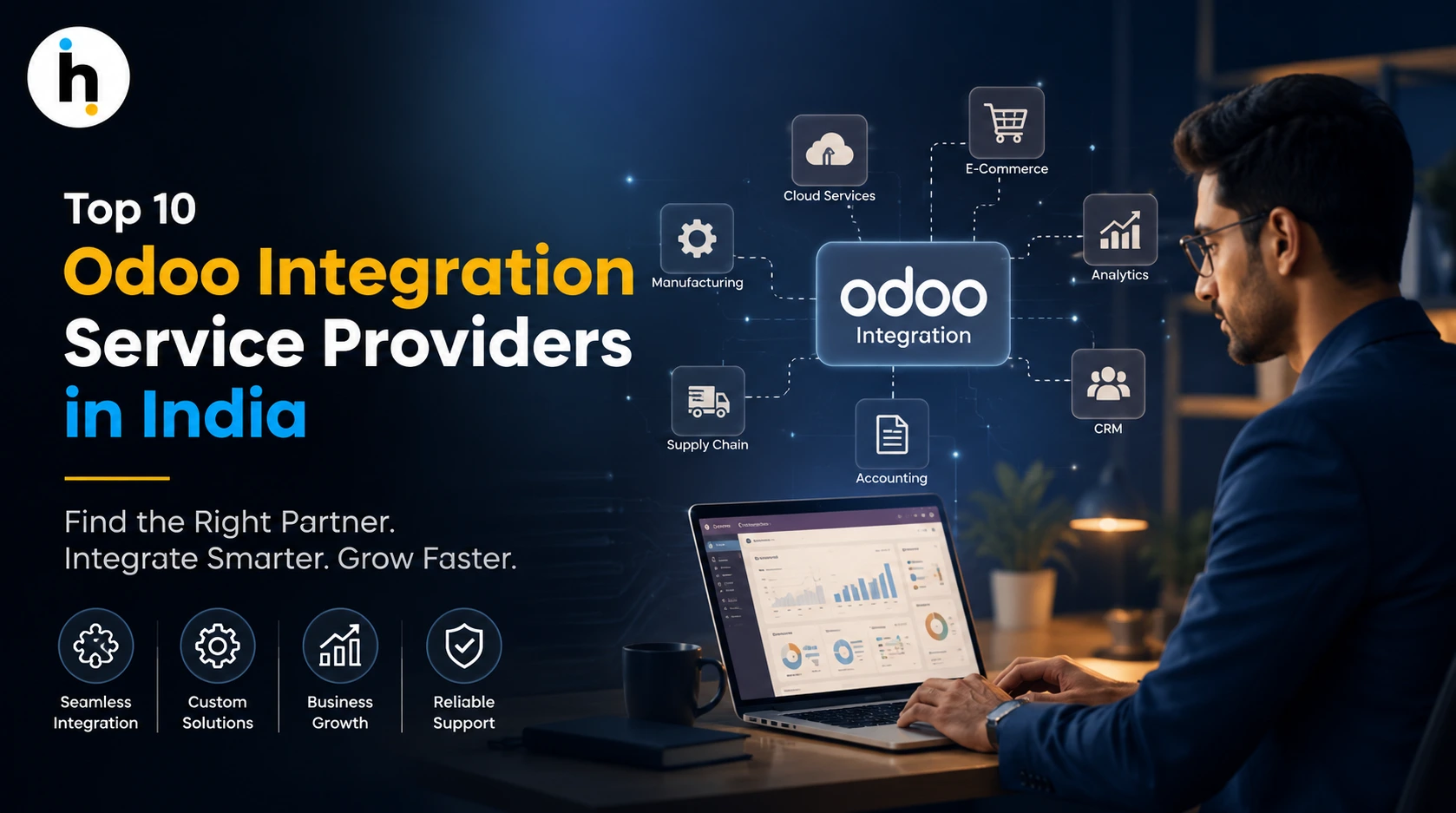
Modern businesses rarely use a single software platform. They may have an eCommerce website, payment gateway, logistics system, marketing tools or external applications. Odoo Integration connects these systems with the ERP so information can move between platforms more efficiently.
For example, an online retailer may need orders placed through its website to appear automatically in Odoo. Product, customer, inventory and fulfilment information may also need to be synchronised. An Odoo Shopify integration can be particularly useful for businesses operating Shopify alongside Odoo. The exact integration requirements depend on the business process and the information that needs to move between the two systems. Good integration can reduce duplicate data entry and provide teams with more consistent information.
Odoo Migration and Customization
Businesses sometimes move from another ERP or upgrade from an older Odoo version. In these situations, Odoo Migration requires more than transferring basic records. Existing custom modules, workflows, reports and integrations need to be reviewed before migration. Data also needs to be checked to ensure that important records remain accurate after the move.
This makes migration planning particularly important for businesses with heavily customised Odoo environments. A structured migration project should include data checks, module compatibility testing, integration testing and user acceptance testing. Documentation of existing customisations can also make future upgrades easier.
Understanding Odoo Pricing India and Implementation Cost
One of the first questions businesses ask is about Odoo Pricing India. However, there is no single price that applies to every implementation. The overall Odoo Implementation Cost can depend on several factors, including:
- Number of users
- Odoo applications required
- Business process complexity
- Custom module development
- Data migration
- Third-party integrations
- Hosting requirements
- Training
- Ongoing support
A basic implementation with limited customisation will naturally have different requirements from a multi-department ERP project involving several integrations and custom workflows. Businesses should therefore evaluate the complete project scope rather than comparing providers only on initial pricing.
Choosing an Odoo Implementation Company
Selecting the right Odoo Implementation Company is an important part of the project. Technical expertise matters, but understanding business processes is equally important. Before selecting a partner, businesses should consider their experience with similar projects, approach to customisation, integration capabilities, migration experience and post-launch support.
A good implementation partner should also be able to explain when customisation is actually necessary. If every requirement is treated as a custom development project, the system can become unnecessarily complicated. For businesses looking for Odoo services in Bangalore, India, Hummingbird Innovations provides services covering Odoo ERP, customization, implementation, integration, migration and support.
The Role of Odoo Support AMC
An ERP project does not end when the system goes live. As the business changes, the software may need adjustments, troubleshooting, new reports, workflow updates or integration maintenance. This is where Odoo Support AMC can provide ongoing assistance.
Regular support can help businesses manage technical issues and make controlled improvements over time. It is especially useful when the organisation depends on several custom modules or third-party integrations. Businesses can also use support periods to review system performance and identify areas where processes can be simplified.
How to Approach Odoo Customization Successfully
Successful customisation starts with a clear understanding of the business problem. A practical approach is:
Analyse → Configure → Customise → Integrate → Test → Train → Monitor
Start by documenting the current process and identifying where delays, errors or unnecessary manual work occur. Then check whether standard Odoo functionality can solve the problem. If it cannot, define the custom requirement clearly before development begins. After development, test the feature using realistic business scenarios rather than only technical test cases. User training is equally important — even a well-built feature will not deliver much value if employees do not understand how or when to use it.
Final Thoughts
Odoo ERP Customization Services can help businesses adapt their ERP system to their actual processes rather than forcing employees to work around software limitations. From custom workflows and dashboards to integrations, migration and ongoing support, the possibilities are broad. However, effective customisation is about making thoughtful changes, not adding features simply because they are possible.
A well-planned Odoo environment combines standard functionality with carefully selected custom development. This can make everyday processes more efficient while keeping the system manageable as the business grows. For companies considering Odoo implementation or customisation in Bangalore and across India, Hummingbird Innovations provides solutions covering ERP implementation, customisation, integration, migration and ongoing support.
Frequently Asked Questions
Share This Article

Hummingbird Innovations LLP
Experts in ERP, CRM, software development, and digital transformation solutions for growing businesses.
Categories
Popular Tags
🚀
Need Expert Consultation?
Connect with our experts to discuss your software, ERP, CRM, or automation requirements.
Call us Directly Connect on WhatsappExplore Our Services
Helping businesses streamline operations, automate processes, and accelerate growth.
