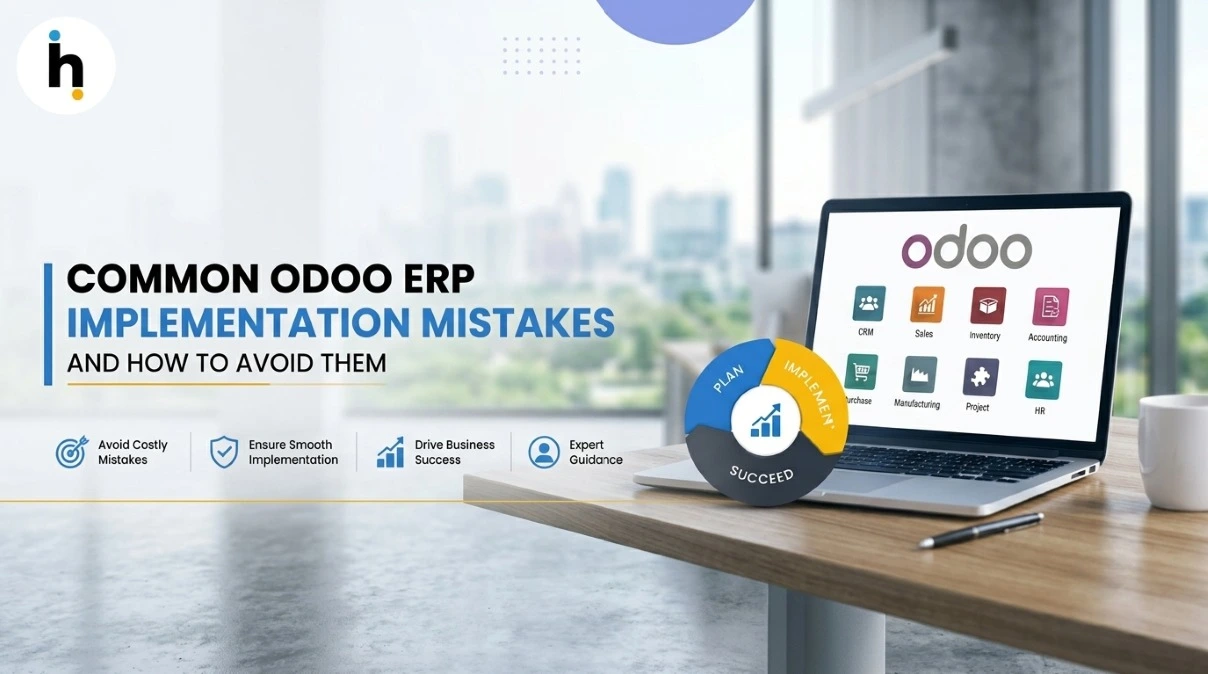
Common Odoo ERP Implementation Mistakes and How to Avoid Them
Introduction
Three years ago, I sat across from a frustrated manufacturing director who had spent six months and nearly $150,000 on an Odoo ERP implementation that wasn't working. The system had been customized so heavily that basic updates broke functionality. Staff was still running processes in Excel.
This isn't isolated. I've watched dozens of Odoo implementation projects stumble for predictable reasons. Most failures can be prevented with the right approach and partner.
Common Odoo ERP Implementation Mistakes
Choosing the Wrong Odoo Implementation Company
Many organizations pick an Odoo implementation company primarily on cost or a sales pitch, without asking about experience, methodology, or post-implementation support.
The cheapest option rarely is the cheapest long-term. I've seen implementations quoted at $30,000 that should have been $80,000, ending up costing twice that in rework and extended timelines. Look for a partner with verifiable Odoo experience, industry references, and a clear methodology for change management.
Poor Requirement Gathering
Teams often rush into technical configuration before understanding actual business needs. They gather requirements from IT and finance only, missing critical input from operations, sales, and customer service.
When requirements aren't properly documented, you end up with a system that technically works but doesn't solve real problems. Spend time with people who'll actually use the system daily.
Ignoring Business Process Analysis
Some organizations want Odoo ERP to mirror exactly how they operate today, which defeats implementing an integrated platform.
The best implementations involve honest conversations about current processes. Are purchase orders approved because they're needed, or because it's always been done? Understanding which processes are core versus technical debt matters.
Underestimating Odoo Implementation Cost
Too many budgets focus only on software licensing and configuration. They don't account for data migration, custom development, testing, training, and staff time during transition.
Odoo ERP implementation costs vary based on complexity. Expecting a full implementation for less than three months of project team salaries is unrealistic. Mid-market companies should budget for both direct costs and significant internal resources.
Excessive Customization
This is the biggest long-term problem I see. Teams request customizations instead of adapting to Odoo's built-in workflows. They want fields renamed, reports restructured, and processes modified to match legacy systems.
Every customization is technical debt. It makes upgrades risky, slows support, increases costs, and creates knowledge silos. Customize only what truly differentiates your business.
Poor Data Migration Planning
Legacy data doesn't become clean during migration. I've seen companies with fifteen years of messy, duplicated data try to force it into a new system without proper analysis.
Data migration should start months before go-live. You need to map old data structures to new ones, identify quality issues, and create a detailed plan. This is technical work requiring expertise.
Lack of Employee Training
The system gets implemented, go-live happens, and staff are left to figure things out. They don't understand new workflows or see why this system is better.
Proper training isn't a two-hour session before launch. It's ongoing education tailored to different roles, with documentation people can reference and support during crucial first weeks.
No Post-Go-Live Support
Launch day isn't the finish line. Problems inevitably arise. Without responsive support, small issues become crises, and users revert to old processes.
Your implementation partner should provide support for at least the first months after launch, with clear escalation paths and response times.
How to Avoid These Mistakes
Start with the right partner
Spend time evaluating your Odoo implementation company before signing. Ask for references and understand their methodology.
Invest in discovery
Don't skip the discovery phase. Spend time with your implementation team understanding your business, processes, and actual needs.
Map current state, then design future state
Document how you operate today, then work with your partner to design how you should operate in Odoo.
Set realistic budgets and timelines
Build in contingency. If estimating three months, plan for four. If budgeting $100,000, reserve $120,000.
Resist unnecessary customization
Challenge every custom request. Ask if it can be solved through configuration, process change, or training instead.
Plan data migration carefully
Treat data migration as a distinct project phase. Start early and expect to spend time cleaning data.
Make training a priority
Develop role-based training materials, conduct hands-on sessions, and provide job aids as major workstreams.
Contract for post-go-live support
Include thirty to sixty days of post-launch support in your implementation agreement.
Why Choosing the Right Odoo ERP Implementation Company Matters
You're not just hiring someone to install software when selecting an Odoo implementation company. You're bringing in a partner who'll influence how your business operates for years.
The right partner brings experience beyond clicking buttons in Odoo. They understand your industry. They've solved similar problems. They push back on bad ideas and champion solutions that deliver value.
Organizations like Hummingbird Innovation have built their practice around this approach. They combine deep Odoo expertise with real industry experience. When you work with them, you're getting consultants who understand your business context, not a technical firm treating every project identically.
Beyond implementation, the right partner stays engaged through adoption and transition. You can learn more about their Odoo implementation approach and reach out to discuss your specific situation.
Conclusion
Odoo ERP implementation failures aren't caused by the software. They're caused by rushing, picking the wrong partner, underestimating the work, or forcing the system into outdated processes.
Organizations seeing real value from their Odoo investment take time to prepare properly. They invest in understanding their business and needs. They work with experienced partners who push back on unnecessary complexity. They plan for proper training and support.
If you're considering an Odoo implementation, take these lessons seriously. They're based on years of watching what works. The team at Hummingbird Innovation brings over fifteen years of practical experience implementing Odoo across industries. Reach out to discuss your situation and create a realistic roadmap for your project.
Frequently Asked Questions
Share This Article

Hummingbird Innovations LLP
Experts in ERP, CRM, software development, and digital transformation solutions for growing businesses.
Categories
Popular Tags
🚀
Need Expert Consultation?
Connect with our experts to discuss your software, ERP, CRM, or automation requirements.
Call us Directly Connect on WhatsappExplore Our Services
Helping businesses streamline operations, automate processes, and accelerate growth.
